Source lint free spunlace waxing strips for body, foot, and skin
Compare 30 listings of lint free spunlace waxing strips from Chinese manufacturers. Buyers can evaluate customization options, material GSM, sizes, and packaging for depilatory and hair removal needs.
Key considerations
Products List


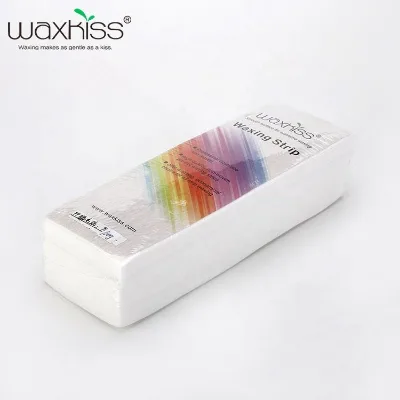
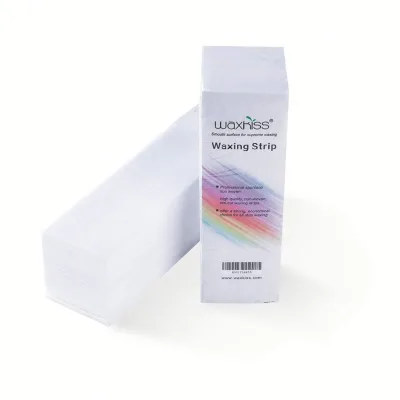
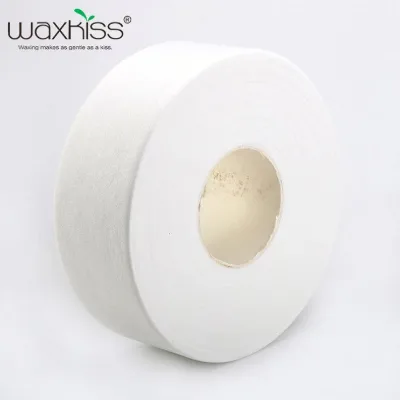
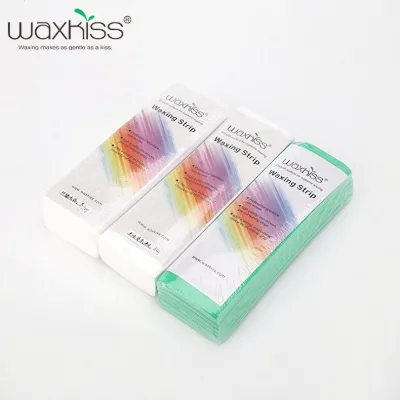
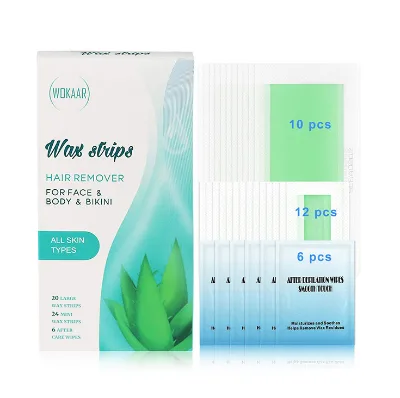
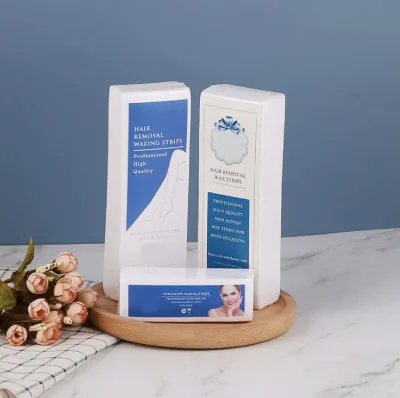
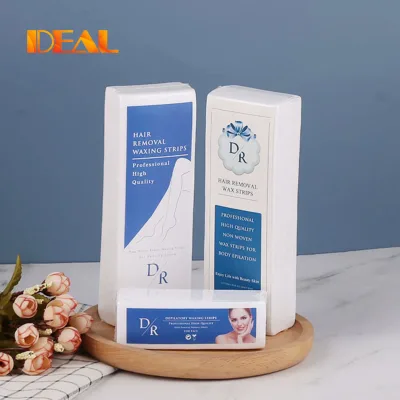

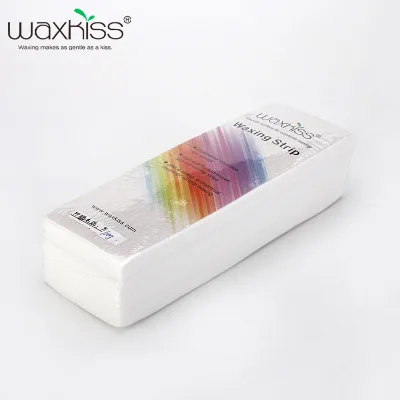


Comprehensive Sourcing Guide
Strategic Sourcing Guide for Lint-Free Spunlace Waxing Strips
Understanding Material Composition and Functional Attributes
The foundation of a successful procurement strategy for lint-free spunlace waxing strips begins with a rigorous analysis of material composition and functional attributes. Based on the observed market data, the primary material utilized for these products is 100% Polyester Spunlace, available in varying grammage (GSM) options including 70, 80, 90, and 100 GSM. This specific material choice is critical because spunlace non-woven fabrics offer superior tensile strength and flexibility compared to traditional paper or cotton alternatives. The "lint-free" characteristic is a direct result of the spunlace manufacturing process, which bonds fibers using high-pressure water jets rather than chemical binders, ensuring that no loose fibers detach during the waxing application. This prevents residue on the skin, a common complaint with lower-quality strips.
In addition to the base material, the functional scope of these strips varies significantly across listings. While the core function is universally identified as hair removal, specific product variations target different needs. Some listings explicitly categorize the function as "Depilatory" or "Sugaring Hair Removal," while others highlight "Moisturizing" properties, suggesting the strips may be pre-treated or designed to work with specific wax formulations that include skin-conditioning agents. The target skin types observed range from "Combination" to "All Types," indicating that while some products are specialized, many are designed for broad applicability. The intended body parts also vary, with specific mentions of "Body" and "Foot," necessitating that buyers verify the strip dimensions against their specific application areas. For instance, foot treatments may require different strip sizes or flexibility compared to general body waxing.
Technical Specifications and Dimensional Variability
Technical specifications for waxing strips are not monolithic; they exhibit a high degree of customization driven by the OEM/ODM nature of the supply chain. The observed product models include identifiers such as DW08, WS08, B8002, and generic designations like "Waxing Strips" or "Depilation Strip." These models often correspond to specific dimensional standards. A recurring standard dimension observed is 7x20cm, which is suitable for general body waxing. However, other listings specify "Customized Size" or "As Requested," reflecting the flexibility of the manufacturing process.
The physical form of the strips is another critical specification. The data indicates that strips are available in both "Folded" and "Unfolded" configurations, with some products packaged as rolls measuring 7cm in width and 100m in length. This roll format is particularly relevant for professional salons requiring high-volume efficiency. Conversely, other products are packaged as individual strips, such as "100pcs/bag" or "100PCS/Roll." The packaging format directly influences the user experience and the logistics of storage. Buyers must verify whether the product is supplied as pre-cut strips or continuous rolls, as this decision impacts the equipment required for application and the waste generated during use. Furthermore, the color of the strips is typically observed as "White" or "Unicolor," though some listings mention "White, Pink," which may serve as a visual differentiator for different wax types or brand identity.
Compliance, Certification, and Quality Assurance Standards
When evaluating suppliers for spunlace waxing strips, compliance and certification checks are paramount, especially given the product's direct contact with human skin. The observed market data highlights several specific certifications and standards that buyers should verify. One listing explicitly mentions compliance with CE, BV, and ISO13485 standards. ISO13485 is particularly significant as it pertains to medical devices and quality management systems, suggesting that some manufacturers adhere to higher regulatory benchmarks suitable for clinical or professional settings. The presence of CE marking indicates conformity with health, safety, and environmental protection standards for products sold within the European Economic Area.
However, buyers must exercise caution regarding certification claims. While ISO9001 is mentioned in background contexts, it should not be assumed as a guaranteed attribute for every listed product without explicit verification from the supplier. The "Quality Guarantee Period" varies, with observed ranges of "Two Years" and "Three Years," alongside a "Shelf Life" that spans from 2 to 5 years. These discrepancies indicate that shelf life is highly dependent on packaging integrity and storage conditions. The "Warranty" period also varies, suggesting that the durability of the strip under stress is a variable quality metric. Buyers should request current certification documents and verify the validity of the ISO13485 and CE claims, as these are not universal across all suppliers. Additionally, the "Eco-Friendly" feature is listed as an attribute for some products, implying that certain manufacturers utilize sustainable production methods or biodegradable materials, a factor that may be crucial for brands with environmental mandates.
Cost Drivers and Pricing Dynamics
The pricing structure for lint-free spunlace waxing strips is influenced by several dynamic factors, including material weight, customization level, and order volume. The observed price range in the market spans from $0.04 to $2.20 USD per unit. This wide variance is not arbitrary; it correlates directly with the specifications of the product. Lower-priced items typically correspond to standard sizes (e.g., 7x20cm) with minimal customization, whereas higher-priced items may involve specialized GSM weights (e.g., 100 GSM), custom branding, or specific functional treatments like moisturizing agents.
Minimum Order Quantity (MOQ) is another significant cost driver. The observed MOQ range is extensive, spanning from 2 units to 100,000 units. This flexibility allows buyers to scale their procurement based on their immediate needs and cash flow. Small MOQs of 2 units may be suitable for sampling or small boutique orders, while the high-end MOQs cater to large-scale distributors. The "prod_packing" attribute also affects cost; products packaged as "100/4000" or in "Carton" formats may have different unit economics compared to those in "Film" packaging. Buyers should analyze the total cost of ownership, which includes not just the unit price but also shipping costs, which can be influenced by the product's density and the volume of the packaging. Understanding the relationship between GSM, customization, and price is essential for negotiating favorable terms.
Supplier Evaluation and Operational Capabilities
Evaluating suppliers requires a deep dive into their operational capabilities and geographic location. The primary origin for these products is identified as China, with specific mentions of Ningbo as a manufacturing hub. This region is known for its robust textile and non-woven fabric industry, offering a concentration of specialized manufacturers. The "Customization" attribute is listed as "Available" for most products, indicating that suppliers are generally open to OEM/ODM requests. However, one listing notes "Non-Customized" as an option, suggesting that some suppliers also offer off-the-shelf inventory.
When assessing suppliers, buyers should verify their production capacity and lead times, although specific lead time data is not provided in the current context. The ability to produce "Customized Size" and "As Requested" dimensions is a key differentiator. Buyers should inquire about the supplier's ability to handle large volume orders, given the high-end MOQs observed. The "Logo Printing" attribute is another critical evaluation point; some listings specify "Without Logo Printing," while others imply customization is possible. For brands looking to differentiate their products, the ability to add custom logos or branding is essential. Additionally, the "Type" of product, such as "Sugaring Hair Removal" versus standard "Hair Removal Wax," indicates the supplier's expertise in specific waxing methodologies. A supplier specializing in sugaring strips may have different machinery and expertise compared to those producing standard wax strips.
Long-Term Procurement and Quality Control Strategies
Long-term procurement success relies on establishing robust quality control measures and sustainable supplier relationships. The "Shelf Life" of 2 to 5 years suggests that storage conditions are critical. Buyers must ensure that their storage facilities maintain appropriate temperature and humidity levels to prevent the degradation of the spunlace material or the adhesive properties of the wax strips. The "Quality Guarantee Period" of two to three years further emphasizes the need for reliable quality assurance.
To maintain quality, buyers should implement a rigorous inspection protocol. This includes verifying the GSM of the material upon receipt to ensure it matches the ordered specification (70, 80, 90, or 100 GSM). Visual inspections for lint, tears, or inconsistencies in the fold should be standard procedure. For products claiming "Eco-Friendly" status, buyers should request third-party verification of the materials used. The "Standard" of 7x20cm or 7*100m should be verified against the actual product dimensions to ensure consistency.
Furthermore, the "prod_model" variations (e.g., DW08, WS08) suggest that different models may have different performance characteristics. Buyers should maintain a clear mapping between model numbers and their specific applications to avoid confusion in future orders. As the market evolves, the ability to adapt to new standards, such as potential updates to ISO certifications or new eco-friendly regulations, will be crucial. Establishing a long-term partnership with a supplier who demonstrates flexibility in customization and a commitment to quality will ensure a steady supply of high-performance waxing strips.
Comparative Analysis of Product Variants
To facilitate decision-making, it is helpful to compare the observed product variants based on key attributes. The following table summarizes the differences between common product configurations found in the market.
| Attribute | Variant A (Standard) | Variant B (Premium/Custom) | Variant C (Roll Format) |
|---|---|---|---|
| Material | 100% Polyester Spunlace | 100% Polyester Spunlace | Non-Woven / Spunlace |
| GSM | 70-80 GSM | 90-100 GSM | Variable |
| Size | 7x20cm | Customized / As Requested | 7cm x 100m |
| Packaging | 100pcs/bag | Carton / Film | Roll |
| Function | Hair Removal | Moisturizing / Depilatory | Hair Remover |
| Certification | CE, ISO13485 (Verified) | CE, BV, ISO13485 | Standard Compliance |
| Shelf Life | 2 Years | 5 Years | 2-3 Years |
| MOQ | 2 - 1000 | 1000 - 100000 | 100 - 50000 |
This comparison highlights that while the core material remains consistent, the value proposition shifts based on size, packaging, and functional additives. Buyers should align their selection with their specific operational needs, whether that be high-volume efficiency (roll format), specialized treatment (moisturizing), or standard retail packaging. By carefully evaluating these dimensions, procurement teams can optimize their inventory for both cost efficiency and customer satisfaction.
FAQs
What material is used for lint free spunlace waxing strips?
The primary material is 100% Polyester Spunlace, available in 70, 80, 90, or 100 GSM. This fabric ensures superior tensile strength and flexibility while preventing lint residue on the skin during application.
Can I order customized sizes for these waxing strips?
Yes, customization is available for size and specifications. Buyers can request dimensions such as 7x20cm or specific roll lengths like 100m, with options for both folded and unfolded configurations based on their needs.
Which certifications should I verify for these hair removal products?
Some listings explicitly mention compliance with CE, BV, and ISO13485 standards. Buyers should verify these documents as they indicate conformity with health and safety regulations, though not all products may carry every certification.
How long is the shelf life of these depilation strips?
The shelf life ranges from 2 to 5 years depending on the specific product and packaging. Proper storage conditions are critical to maintain the integrity of the spunlace material and adhesive properties over this period.
What is the minimum order quantity for these wax strips?
The minimum order quantity varies significantly, ranging from 2 units to 100,000 units. This flexibility allows buyers to choose between small sampling orders or large-scale procurement based on their inventory requirements.
Where are these spunlace waxing strips manufactured?
The products originate from China, with specific manufacturing hubs identified in Ningbo. This region offers a concentration of specialized manufacturers capable of handling both standard and customized OEM orders.